21 Ganesh Chaturthi Crafts and Activities to do with Kids
Check out 21 Ganesh Chaturthi Crafts and Activities to do with Kids – Make a Clay Ganesha, decorate, Ganesha’s throne & umbrella, rangoli ideas, recipes, books and more
What is Ganesh Chaturthi?
Ganesh Chaturthi or Vinayaka Chaturthi is the festival that honors Lord Ganesha. It marks the birth of the elephant-headed deity Ganesha, the god of prosperity and wisdom. A ten-day festival is held where clay sculptures of the god are installed in temples and homes. On the last day, there are grand celebrations, street parties, and feasts as the idols are taken to the sea to be immersed in water.
When is Ganesh Chaturthi in 2025?
This year, Ganesh Chaturthi will be celebrated on Wed, 27 Aug, 2025, and on Sat, 6 Sept, 2025, the tenth day, Ganesh Visarjan will commence.
How is Ganesh Chaturthi celebrated in India?
Maharashtra has the best 10-day affair for Ganesh Chaturthi, and the Ganesha Idols all over are a sight to behold! The festival which is celebrated during the Hindi calendar of Bhadra (mid-August to mid-September) ends with Ananth Chaturdashi when these Ganesha Idols are submerged in water.
How to involve kids in the Ganesha Chaturthi Festivities?
if you are looking for fun activities to do while you celebrate with your kids, you’ve come to the right place. Here are
21 Ganesh Chaturthi Crafts and Activities to do with Kids

Ganesh Chaturthi Celebration at Home
The festival starts with colorfully decorated statues of Ganesha being installed in homes. The Platform or the pandal are decorated with garlands and lights and the idol is worshipped at homes for 10 days. On the 11th day, the idol is carried through the streets and immersed in a river or the sea. This represents a ritualistic send-off for Lord Ganesh as he travels to his home in Kailash, taking with him the sorrows of his devotees. The main dish eaten during this festival is the Modak.
The Elephant-faced God, who is the beloved son of Lord Shiva and Devi Parvati is known for his wit, humor, and sweet tooth. He is also the protector of nature. It is very important to have a green Ganesh Chaturthi and we totally follow it too.
1. Make your own eco-friendly Ganesha Idol!

It might seem difficult but it is actually quite simple! Here is a fantastic tutorial, which explains the process!
2. Make a Little Ganesha Idol using Play-Doh
Priyanka from MyColorfulStuff/ shares this really cute Ganesha that she made at home using Play-Doh.


3. Make Ganesha Platform Decorations
So your Ganesha Idol is ready, well he needs a place to sit and a throne, no less. Well don’t go to the shops; why not make one by yourself, I promise you will find most of the stuff in your home!
Make your own 3D Ganesha mini Diorama
Grab this printable from our August Bundle
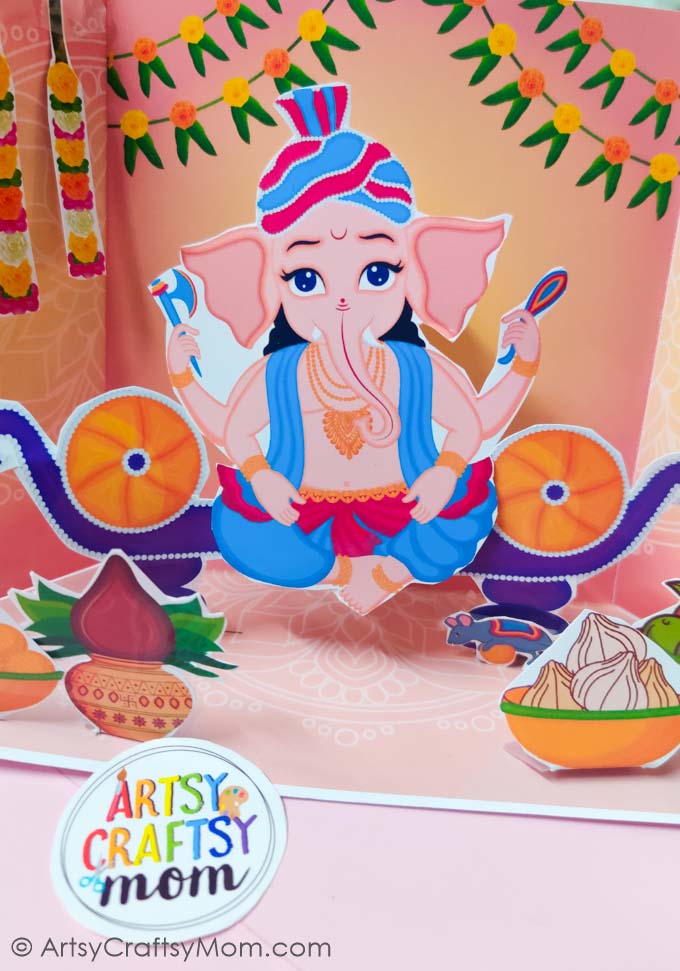
Involve kids in Decoration and creativity –
For the background, line up silk screens against the wall and put up vertical lights instead of horizontal ones.

4. How to make Easy Paper Lotus Singhasan / Throne

On one hand, Ganesha holds a lotus, the symbol of enlightenment. So the Lotus pattern is a favorite to make a throne for Ganesha. Upcycle a cardboard box with some construction paper cutouts to form a Lotus
5. Add an Umbrella / Parasol for Lord Ganesha by attaching it with clay behind the seating.

A decorated paper plate turned upside down can act as a lovely parasol.
6. Make a Ganesh Chaturthi DIY Aarti plate
After you place your Ganesha on the seat you so lovingly made for him, I am sure you would want to do his puja. For that, you need your Aarti plate. And this simple Thermocol Arthi Plate can be made using 2 colors & a brush.

7. Put a Rangoli
Now make it look all festive with decor that makes Lord Ganesha Smile, a Rangoli is just the thing! Follow our easy step by step tutorial to put a Rangoli in under 15 minutes.

8. Make Coconut Laddo for Ganesh Chaturthi
Really Bal Ganesha is just like our little ones and us who just can’t stop gorging on Ladoos and sweets. Use these easy, kid-friendly recipes to make Prashad for Ganesha, I am sure he is going to be pleased! Veg recipes of India bring to you 51 awesome recipes for Ganesh Chaturthi. Our favorite Guest blogger Nidhi has some easy recipes on her blog. The Nariyal Laddoo is not to be missed! Three ingredients. just put everything in a pan and let them cook to these yummy juicy laddoos.

9. Make Modak for Ganesh Chaturthi
Ganesha’s other favorite food is the Modak. Steamed Rice dumplings with a sweet coconut & jaggery filling. Yum!

10. Easy Crafts for Ganesh Chaturthi
Crafts are a great way for kids to explore and have fun and also use their time in doing quality activities. Craft time can be utilized to tell the tales of Lord Ganesha!
One of my favorite craft activities is the one in which I do not have to run to the store to get supplies!
Click on the images to check out the craft tutorials …
20 Enormously Cute Elephant Crafts for Kids
11. Make Recycled CD Ganesha Car hanging

12. Make a 2 D Clay Craft. You can also use Playdough!

13. Make a Ganesha Artwork with acrylic colors & glitter glue

14. Make your own Lentil Covered gift box
Everyone loves to get gifts. Add a little love decorating the gift boxes too.

You’ll need:
- A Gift Box
- A drawing by your child
- Pulses in various colors
- Paint or plain wrapping paper
- Glue
To make:
- Get the box ready by coating it with paint or sticking colored paper on it.
- Stick your child’s artwork in the center.
- Decorate around it by sticking different colored pulses.
- Mix Glue with a little water and give it a generous coat to seal it in.
- Let dry overnight.
- Fill up the box with goodies and gift it.
- These 4 festival art and craft ideas for children are all simple and can be made with easily available materials. Try them out with your loved ones this festive season!
15. Learn How to Draw Ganesha – Video
16. Make a Paper Ganesha Craft

Idea via https://ghpmumbai.com/diy-ganesha-ganesh-chaturthi-2018-special/
17. Explore DIY Ganesha Kits
You can also buy these kits that come preloaded with everything you need to do an activity!
We love these Ganesha craft kits from ToyKraft

18. Check out the Printable Ganapati Paper Craft via instructables

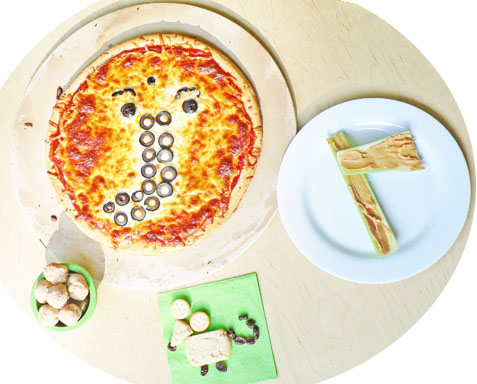
19. Make Ganesha Themed Snacks – Via gnaana
20. Make Ganesh Chaturthi Cards for the family! Hamara Nischay has a gorgeous Cardmaking kit

View this post on Instagram
21. Ganesha eBook – Instant PDF download
No one can say no to a good story. Our heritage is full of fabulous stories of wit, humor, bravery, and magic. All tales of Bal Ganesha have a touch of naughtiness and lovely humor that kids will love and a lesson that they will understand at their own pace and space. We are proud to present some of our fabulous Mythological stories in easy PDF format for you to download and read to your young ones!

Read about Ganesha & learn his stories
The books with adorable illustrations have stories about Lord Ganesha, Devi Lakshmi, Durga and Saraswati and Lord Shiva. These mini eBooks introduce our Gods to kids in a simple manner – the Who? their special powers, what they love, some stories, a coloring page, a special mantra about them, and lots of crafts to try.
Or you could spend some time cozying up on the sofa reading a few Books about Ganesha. Here are some of the books we have love.

The World of Ganesha Paperback – Box set
A collection that brings together the fascinating tales of Ganesha and his family. Titles in this pack are Ganesha, Ganesha, and the moon, Tales of Shiva, Shiva Parvati, Sati and Shiva, Karttikeya, Andhaka, Nahusha, Tripura, and Elephanta. All the characters in these stories are from the Indian mythology – Amar Chitra Katha Series
Ganesha: The Wonder Years
Campfire Junior brings you the adventures of Ganesha, the mischievous elephant god, and his amazing friends. Early adventures of Ganesha’s childhood are delightfully brought to life in the first book of a new series of legends for younger readers.
Amma, Tell Me about Ganesha!
A part of the Amma, Tell Me Series from Bhakti Mathur. The story of how Ganesha’s Elephant head came to be is what the book is about. Written in the verse form that is the style for the Amma Tell Me Series, this is a great book for children just getting to know these stories for the first time.
Ganesha’S Sweet Tooth
We loved this contemporary re-imagination of how Ganesha broke his tusk and wrote the Mahabharata with his broken tusk.

Vyasa’s Mahabharata
Vyasa’s Mahabharata is the well-known story of how Vyasa enlists the help of Ganesha in writing down the long and multi-layered epic that is the Mahabharata. Presented with lively humor and great affection, it shows the very recognizable human dilemmas faced by Vyasa and Ganesha
A Head of a Tale: The Story of Ganesh
Ever wonder how Ganesh got his head? He did not always look this way you know……
Here is an ancient tale, written in rhyme, which teaches us to honor the promises we make to the ones we love.
Published by NoseyTrunk.
<A HREF=”https://ws-in.amazon-adsystem.com/widgets/q?rt=tf_cw&ServiceVersion=20070822&MarketPlace=IN&ID=V20070822%2FIN%2Fartsy-21%2F8010%2F117273a6-370c-4776-9f98-bb49b8c71556&Operation=NoScript”>Amazon.in Widgets</A>
The Feast & The Race
In this story, Ganesha attends a very special feast thrown by Kubera. Read the complete book to learn how Ganesha teaches Kubera a lesson in humility. This is a fun-filled story of little Ganesha and Murugan competing with each other for winning the special “Wisdom” fruit. They need to race each other around the world. Who wins the race? Read the book to find out.

If you liked our post – Ganesh Chaturthi Crafts and Activities to do with Kids, then please click the image above and share with your friends via Pinterest. You can also use the share buttons in the sidebar to let your family and friends know. Thanks.





Responses