Turn a simple square of paper into animals, flowers, toys and seasonal decorations with this carefully updated collection of 50 easy origami crafts for kids. You will find beginner-friendly ideas for home, school and homeschool, along with a few satisfying challenges for older children.

Origami is the art of creating shapes by folding paper. Modern origami is closely associated with Japan, although paper-folding traditions have also developed in other cultures. The word combines the Japanese ideas of folding and paper, and the term came into wider use around 1880, according to the Robert C. Williams Museum of Papermaking.
For children, origami is much more than a pretty finished model. Following a folding sequence encourages careful observation, patience and spatial thinking. Paper-folding activities have also been studied for their potential to support young children’s visual-spatial skills. Start with a forgiving project, demonstrate one fold at a time and let children unfold and try again when needed.
Origami for Kids: Quick Start Guide
- Best starting age: Most children ages 6 and up can try simple folds independently. Preschoolers can participate with an adult preparing the paper and guiding each fold.
- Best paper: Lightweight 15 cm or 6-inch square origami paper is easy to crease. Printer paper also works when it is trimmed into an accurate square.
- Typical time: Beginner models usually take 5–15 minutes. Multi-piece or detailed models may take 20–40 minutes.
- Classroom tip: Make one completed sample and one step-by-step demonstration model. Pause after every fold so children can compare corners and creases.
- Safety: Some projects use scissors, small embellishments or glue. Supervise younger children and substitute drawn eyes for googly eyes when appropriate.
Materials Required for Origami Crafts
- Lightweight 6-inch or 15 cm square origami paper
- Large 8-inch origami paper for younger beginners
- Bulk origami paper for classrooms and homeschool groups
- Patterned paper for seasonal models and decorations
- Markers for faces and decorative details
- Child-safe scissors and glue for projects that require assembly
Shop the materials on Amazon.com
The links below are affiliate links. As an Amazon Associate I earn from qualifying purchases.
Choose an Easy First Origami Project
| Project | Difficulty | Approximate time | Suggested age |
|---|---|---|---|
| Origami whale | Easy | 10 minutes | 6+ |
| Origami penguin | Easy | 10 minutes | 6+ |
| Origami frog | Easy | 15 minutes | 7+ |
| Origami ladybug | Easy | 15 minutes | 7+ |
| Origami tulip | Easy | 10 minutes | 6+ |
| Origami ice cream | Easy | 15 minutes | 7+ |
Difficulty guide: “Easy” projects use a short sequence of basic folds. “Moderate” projects need closer alignment, extra pieces or simple assembly. “Challenge” projects are best for patient older children or children working with an adult.
Easy Origami Animals for Kids
Animal origami is a great place to begin because children can immediately recognize—and personalize—the finished shape. Add drawn faces, spots or scales, then use the models for storytelling, animal studies or a classroom display.
1. Easy Origami Whale

Easy · Ages 6+ · About 10 minutes
This friendly whale is a reassuring first project for children learning to match corners and press firm creases. Add the paper water spout at the end, then place several whales on blue paper to create an ocean scene or simple classroom display.
2. Easy Origami Fish

Moderate · Ages 8+ · About 20 minutes
This newer ArtsyCraftsyMom tutorial breaks the fish into clear photographed steps and adds a simple tail and googly eye. Make several colors for an ocean unit, a counting activity or a paper aquarium that children can label with fish body parts.
3. Origami Bird Magnets
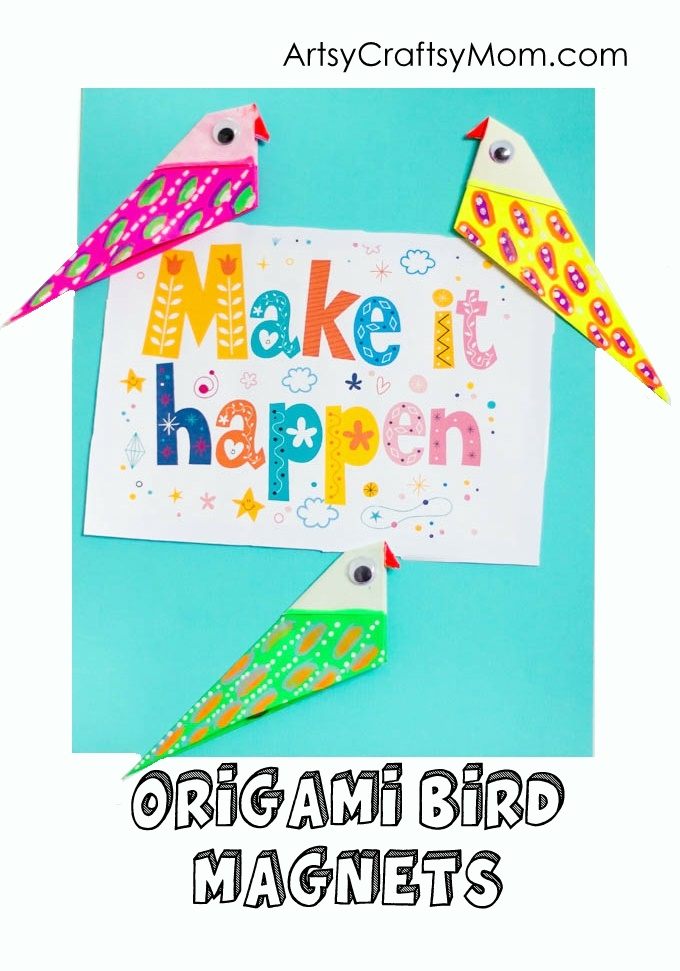
Moderate · Ages 8+ · About 20 minutes
These folded birds become useful magnets with one small addition. Children can experiment with patterned paper, compare symmetrical wings and use the finished birds to hold artwork, reminders or vocabulary cards on a magnetic board.
4. Easy Origami Penguin

Easy · Ages 6+ · About 10 minutes
A high-contrast black-and-white penguin makes every fold easy to see. Pair the craft with a polar-animal lesson, invite children to draw an icy habitat and discuss why penguins live in the Southern Hemisphere rather than at the North Pole.
5. Cute Origami Crab

Easy · Ages 7+ · About 15 minutes
This cheerful crab uses simple folds plus expressive eyes and claws. It works well for a beach, summer or ocean unit, and children can glue the finished crab to sand-colored paper before adding shells, waves and seaweed.
6. Origami Koi Fish

Moderate · Ages 8+ · About 20 minutes
Fold a graceful koi and decorate it with bold patches, scales or metallic details. This project can introduce Japanese art and garden design, or become part of a collaborative classroom pond filled with individually patterned fish.
7. Origami Octopus

Challenge · Ages 9+ · About 30 minutes
The multiple folds and eight legs make this octopus a satisfying next step for children who already know the basics. Use it to practise persistence and following a sequence, then challenge learners to count, curl and arrange all eight arms.
8. Easy Origami Dinosaur

Easy · Ages 7+ · About 15 minutes
Dinosaur fans can turn one square of paper into a playful prehistoric creature. Let children add spots, plates or a habitat background, then use the model as a prompt for a short dinosaur story or fact card.
9. Step-by-Step Origami Frog
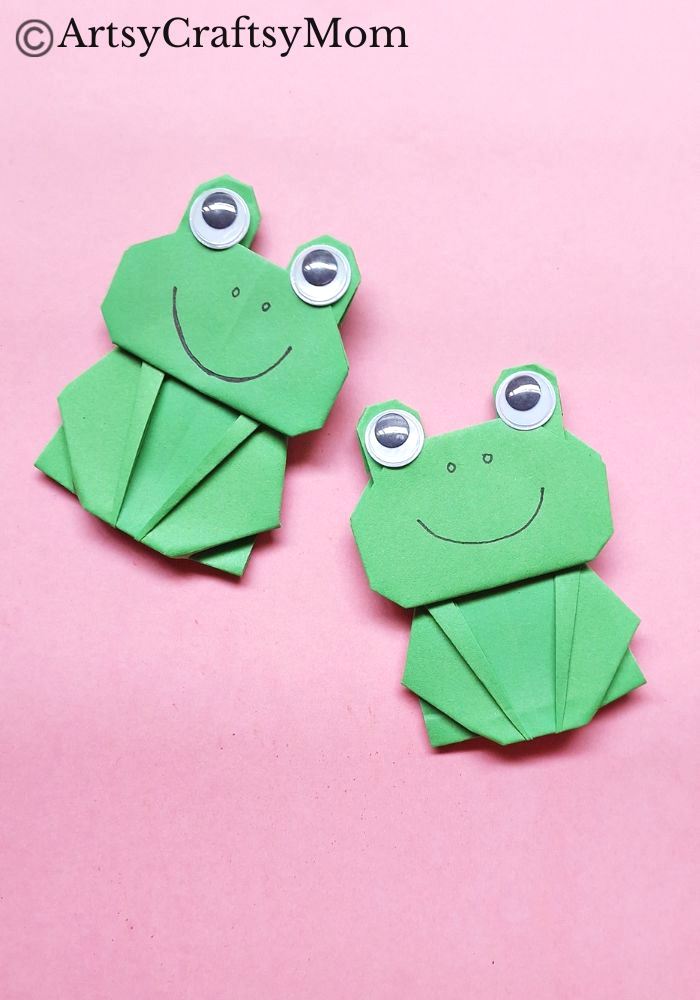
Easy · Ages 7+ · About 15 minutes
This updated internal tutorial uses two paper squares to create a smiling frog with a separate head and body. It is ideal for a spring or pond-life theme and gives beginners useful practice with diagonal folds, valley folds and simple assembly.
10. Origami Ladybug

Easy · Ages 7+ · About 15 minutes
A red square, a few careful folds and black marker details become a bright little ladybug. Children can count and compare the spots, explore symmetry or add the finished insect to a garden-themed bulletin board.
11. Origami Snail
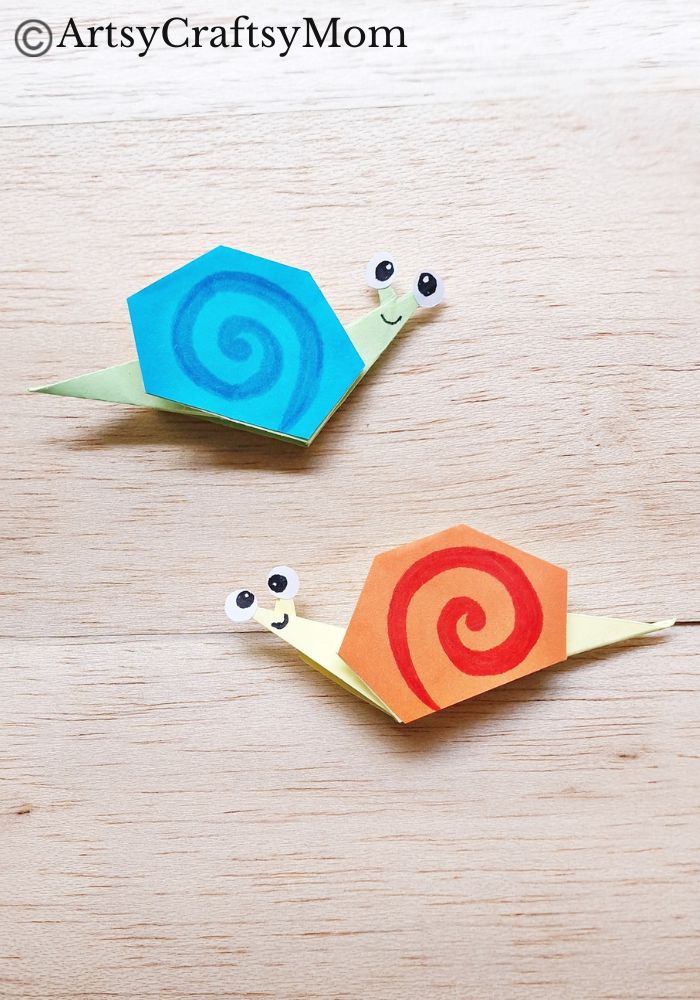
Challenge · Ages 10+ · About 35 minutes
This detailed newer tutorial is a rewarding choice for confident folders. The separate spiral shell creates an easy connection to nature study and pattern observation, while the longer sequence encourages children to slow down and check each step.
12. Origami Dog

Easy · Ages 5+ · About 5 minutes
A puppy face is one of the simplest origami models for young beginners. Prepare square paper in several colors and let each child draw a different expression, ear pattern and collar after completing the basic folds.
13. Origami Cat

Easy · Ages 6+ · About 10 minutes
Fold pointy ears and add whiskers to create a cat with plenty of personality. This is a useful whole-class project because the base is quick to repeat, while the drawing stage allows every child to make a distinctive pet.
14. Origami Rabbit

Easy · Ages 6+ · About 10 minutes
Long ears make this rabbit instantly recognizable, even when a child’s folds are not perfectly even. Use pastel paper for Easter or natural browns and greys for a woodland-animal lesson at any time of year.
15. Origami Paper Mouse

Moderate · Ages 8+ · About 15 minutes
These three-dimensional mice are a fun step beyond flat animal faces. Fold a family in different sizes, add paper tails and use the finished models for small-world play, a story retelling or a measurement comparison.
Fantasy and Character Origami
These imaginative models work especially well with older children who are motivated by familiar characters and pretend play. Print or display the tutorial where everyone can see it, and encourage children to pause the video or repeat a step instead of rushing.
16. Origami Mermaid

Challenge · Ages 10+ · About 30 minutes
This detailed mermaid combines folding with drawing and decorative details. It suits patient older children and can become a character for an underwater story, a book-inspired activity or a handmade card.
17. Origami Pikachu

Challenge · Ages 10+ · About 30 minutes
Children who enjoy character crafts may be willing to persist through the extra folds needed for this Pikachu model. Yellow paper and carefully drawn facial details make the finished shape come alive; use the accompanying video for visual support.
18. Mario Mushroom Origami

Moderate · Ages 8+ · About 20 minutes
These recognizable game-inspired mushrooms use color and simple facial details for maximum impact. They are small enough for party decorations, bookmarks or a screen-free activity for children who enjoy Mario characters.
19. Origami Unicorn Bookmark

Moderate · Ages 8+ · About 20 minutes
A folded corner bookmark becomes a magical unicorn with ears, a horn and a colorful mane. Children can use it in independent-reading books or add it to a handmade Valentine or birthday card.
Holiday and Seasonal Origami Crafts
Seasonal origami gives children a purpose for practising their folds. Finished models can become cards, gift toppers, bookmarks, ornaments or classroom decorations without requiring expensive supplies.
20. Origami Gift Box

Moderate · Ages 9+ · About 25 minutes
A handmade box makes a note, treat or tiny gift feel extra special. Accurate measuring and matching corners matter here, making this a practical project for older children learning how flat paper can become a three-dimensional container.
21. Winged Origami Heart

Challenge · Ages 10+ · About 30 minutes
This clever heart includes wings and space for a secret message. It is ideal for Valentine’s Day, friendship notes or a lesson about writing a short positive message for someone else.
22. Origami Easter Bunny Basket

Challenge · Ages 10+ · About 30 minutes
These little bunny baskets combine a useful container with a seasonal character. Make them from sturdy patterned paper and fill them with paper eggs, kind notes or lightweight treats rather than anything heavy.
23. Origami Monster Bookmarks
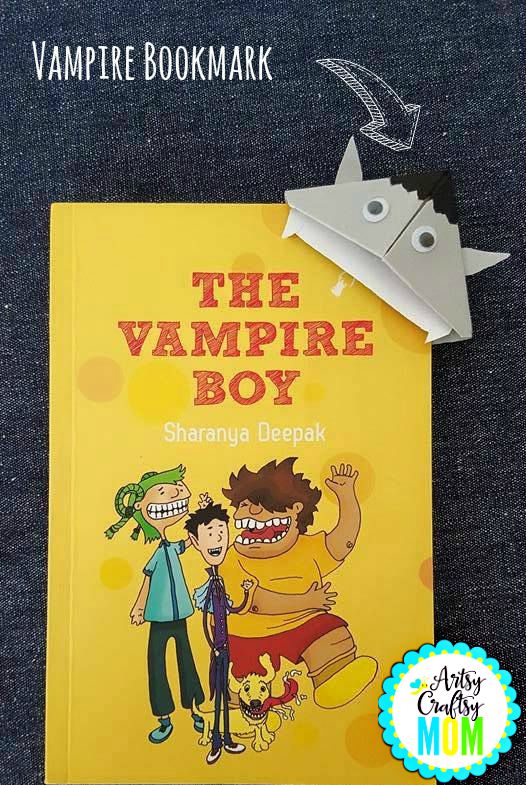
Easy · Ages 7+ · About 15 minutes
Turn the classic corner-bookmark fold into vampires and silly monsters for Halloween or back to school. Once children learn the base, set out paper teeth, eyes and horns so they can design their own reading companion.
24. Easy Origami Ghost
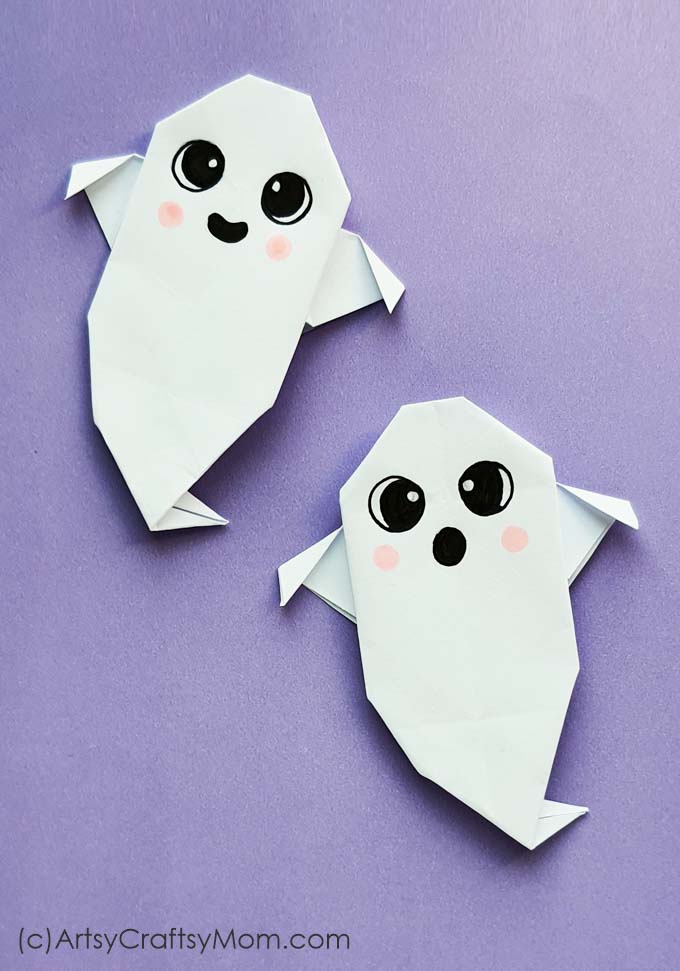
Easy · Ages 6+ · About 10 minutes
These ghosts are more friendly than frightening and need only white paper and a marker. Hang several from thread, attach them to a Halloween card or use their faces to explore different emotions.
25. Origami Witch

Moderate · Ages 8+ · About 25 minutes
This character craft combines folded pieces to create a witch with a hat and broom. It is a good option for a Halloween art station where children can select skin, clothing and hat colors without making the character overly scary.
26. Origami Pumpkin

Easy · Ages 7+ · About 15 minutes
Fold orange paper into pumpkins for autumn, harvest or Halloween. Keep the faces cheerful for younger children, or leave them plain and add green stems before arranging the pumpkins as a paper garland.
27. Hanging Origami Bat

Moderate · Ages 9+ · About 20 minutes
The folded wings give these bats a strong silhouette when suspended from thread. Make a small colony for a doorway or science display, and pair the activity with facts about how real bats navigate and help ecosystems.
28. Christmas Origami Bell

Easy · Ages 7+ · About 15 minutes
These paper bells are easy enough for a holiday craft station and require very little cleanup. Add thread for ornaments or line up several finished bells to make a colorful classroom banner.
29. Origami Poinsettia

Moderate · Ages 8+ · About 25 minutes
A layered poinsettia makes a beautiful handmade gift topper, card embellishment or ornament. Children can practise repeating the same folds for each petal and arranging the pieces radially around the centre.
30. Easy Origami Christmas Tree

Easy · Ages 6+ · About 10 minutes
This simple tree is a good first holiday-origami project. After folding, children can add tiny paper circles, stickers or drawn lights, then use the tree on a card or stand several together as a winter forest.
31. Accordion-Fold Paper Angel Ornament

Moderate · Ages 8+ · About 25 minutes
This internal ArtsyCraftsyMom project uses accordion folds to build an angel’s dress and wings. Wooden beads and pipe cleaners require adult supervision, but the finished ornaments are lovely for a tree, holiday display or handmade gift.
Origami Flowers, Leaves and Food
Nature and food themes are easy to connect with science, seasons and everyday life. Encourage children to vary paper colors and patterns, then combine several models into cards, displays or pretend-play sets.
32. Easy Origami Tulip

Easy · Ages 6+ · About 10 minutes
A tulip is a gentle introduction to folding flowers and looks attractive even when the creases are not perfect. Attach it to a folded card for Mother’s Day, Teacher Appreciation Day, spring or a simple friendship gift.
33. Easy Origami Mushroom
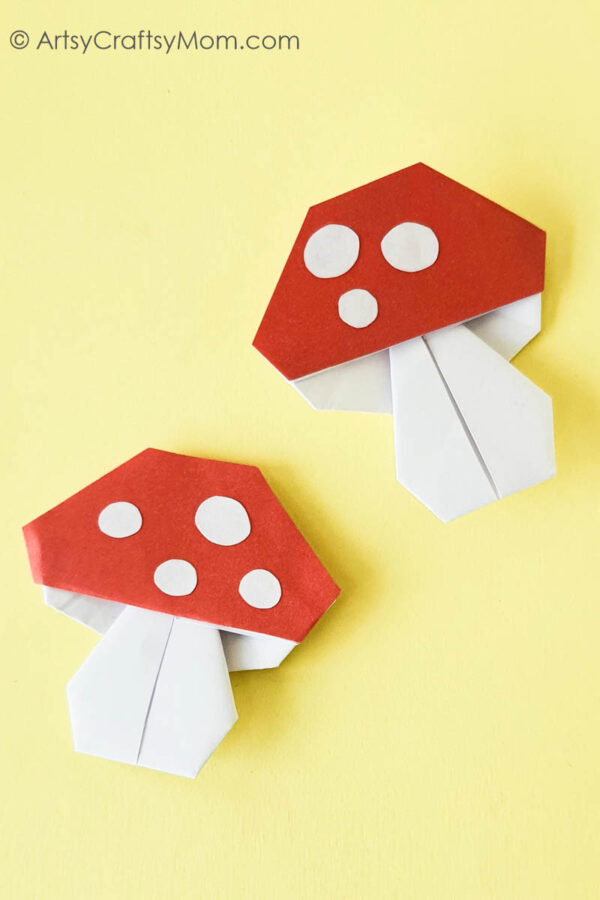
Easy · Ages 7+ · About 15 minutes
Fold a woodland mushroom and decorate its cap with dots, stripes or tiny patterns. The craft fits an autumn, forest or fairy-tale theme and can be combined with paper leaves and animals to build a story setting.
34. Origami Autumn Maple Leaf

Moderate · Ages 8+ · About 20 minutes
Make maple leaves in warm red, orange and yellow paper for an autumn display. Repeating the model helps children improve fold accuracy, while comparing real and paper leaves can prompt observations about shape, veins and seasonal color.
35. Easy Origami Apple

Easy · Ages 7+ · About 15 minutes
Paper apples work beautifully for back to school, harvest time or a healthy-food theme. Children can make red, green and yellow varieties, add leaves and write a short thank-you message for a teacher on the back.
36. Simple Origami Carrot

Easy · Ages 6+ · About 10 minutes
This bright carrot is suitable for beginners and fits spring, Easter, garden and nutrition themes. Use the finished vegetables in pretend play, sorting activities or a paper garden where children label the parts of a plant.
37. Mini Origami Succulent

Challenge · Ages 10+ · About 35 minutes
These miniature succulents reward careful, repeated folding and make cheerful desk decorations. Older children can explore scale by creating leaves in several sizes, then arrange the finished plant in a lightweight paper pot.
38. Easy Origami Ice Cream Cone
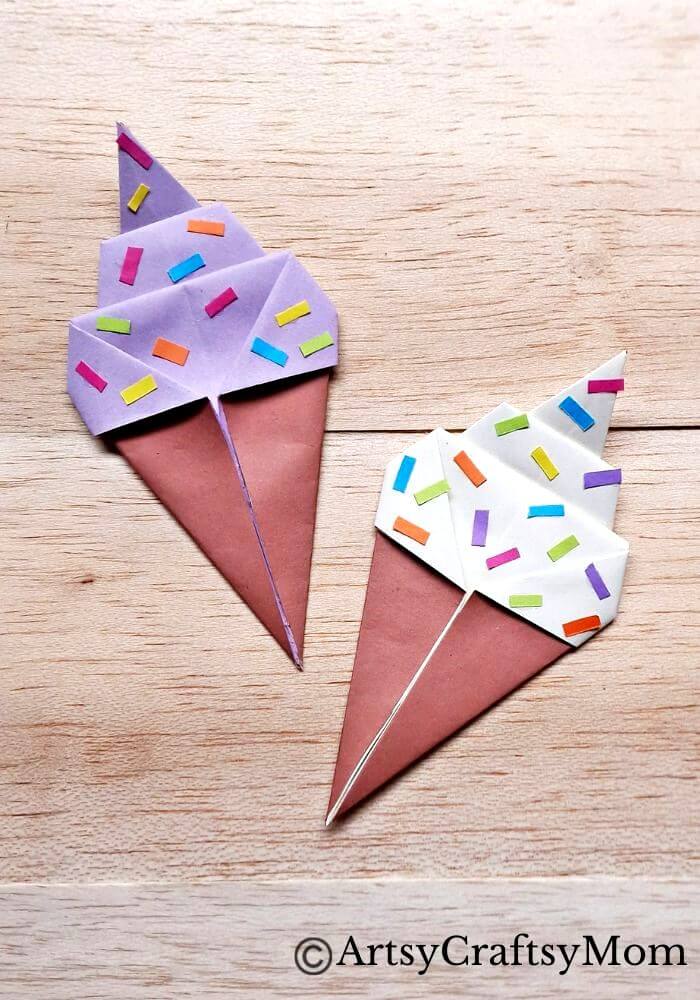
Easy · Ages 7+ · About 15 minutes
This newer internal tutorial layers two paper colors to form the scoop and cone, then adds tiny paper sprinkles. Invite children to invent flavors, name them and write a pretend menu for a playful summer literacy extension.
Origami Vehicles and Space Crafts
Paper boats and planes are childhood classics, but children can also fold yachts, rockets and space shuttles. These projects naturally invite testing: compare paper types, change a fold and observe what happens.
39. Origami Yacht

Easy · Ages 7+ · About 15 minutes
This folded yacht becomes extra special when children add windows, waves and patterned sails with markers. It makes a useful summer or transport-themed project and can inspire a discussion about boats that travel using sails, motors or both.
40. Easy Origami Rocket

Easy · Ages 7+ · About 15 minutes
Blast into a space unit with a bright paper rocket made from basic folds and simple details. Mount the finished model on black paper, then add planets, stars and a short sentence about where the rocket is travelling.
41. Classic Origami Boat

Easy · Ages 6+ · About 10 minutes
The classic paper boat helps beginners see how a sequence of flat folds can open into a three-dimensional form. Use scrap paper for practice, then make patterned boats for pretend play or a lightweight garland.
42. Flying Paper Airplane

Easy · Ages 6+ · About 10 minutes
A flying paper plane turns origami into a simple STEM investigation. Fold identical planes from different paper weights, measure each flight and talk about how symmetry and balanced wings affect the result.
43. Origami Space Shuttle

Challenge · Ages 10+ · About 30 minutes
This space shuttle is an exciting choice after children have mastered a basic plane. The sharper folds demand accuracy, so demonstrate slowly and let learners decorate the completed shuttle with windows, flags or mission symbols.
Useful Origami Toys, Bookmarks and School Crafts
Origami does not have to sit on a shelf. The final group includes projects children can read with, write with, play with or use as props for stories and imaginative games.
44. Fish Corner Bookmark
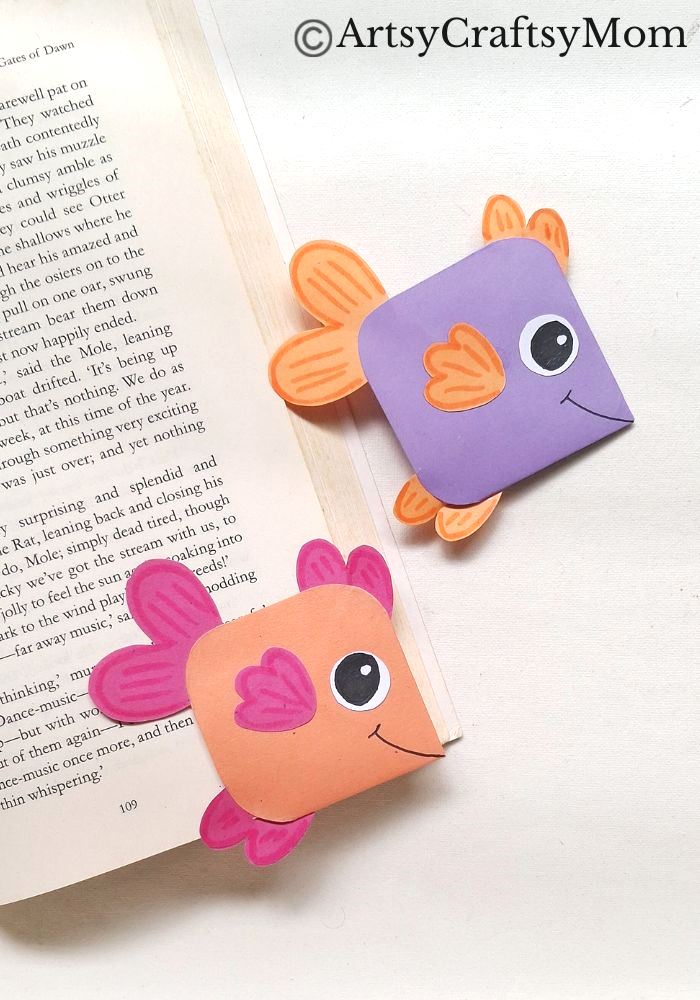
Easy · Ages 6+ · About 15 minutes
This new internal tutorial combines the reliable corner-bookmark fold with a printable fish template. It is especially useful for classrooms because children finish with something practical that encourages reading and can be personalized in many colors.
45. Origami Paper Dolls

Moderate · Ages 8+ · About 20 minutes
Paper dolls combine folding with character design and storytelling. Provide different skin-tone and clothing papers, then invite children to create a family, a story cast or a self-portrait with drawn details.
46. Transforming Origami Ninja Star

Challenge · Ages 10+ · About 40 minutes
Several folded units fit together to create a model that changes shape. It is an absorbing challenge for older children and a practical way to explore repeating patterns, modular construction and careful assembly.
47. Easy Origami Pencil

Easy · Ages 6+ · About 10 minutes
Fold paper pencils in favorite colors for a back-to-school display or teacher card. After learning the model, children can arrange several pencils by length, color or pattern for an easy sorting extension.
48. Origami Crown

Moderate · Ages 8+ · About 25 minutes
This wearable crown is made by joining folded paper units, so it works well as both an activity and party prop. Let children choose a repeating color pattern, measure the fit and decorate the finished crown lightly.
49. Origami Paper Cubes

Challenge · Ages 10+ · About 35 minutes
Modular paper cubes turn a geometry lesson into a hands-on construction task. Children fold identical units, assemble the six-faced solid and compare the finished form with a flat square or a drawn cube net.
50. Origami Finger Puppets

Easy · Ages 6+ · About 15 minutes
These wearable paper puppets give children an immediate reason to make more than one model. Create animal or story characters, then use the puppets for oral storytelling, vocabulary practice or a quick classroom puppet show.
How Origami Supports Learning
Origami naturally combines art with mathematics and sequencing. Children repeatedly work with halves, diagonals, triangles, squares, symmetry and three-dimensional forms. They also learn that the order of instructions matters and that checking a crease early can prevent problems later.
For teachers and homeschoolers, the activity can support:
- Geometry: Identify shapes, lines of symmetry, angles, halves and quarters.
- Sequencing: Follow, retell or write the steps in the correct order.
- Fine-motor practice: Pinch, press, align and flatten paper with control.
- Visual-spatial thinking: Predict how a flat fold will change the final form.
- Persistence: Unfold, correct and try again when a model does not look right.
- Creative expression: Change color, scale, facial features and decorative details.
Tips for Teaching Origami to a Group
- Choose one easy model and fold it yourself before the lesson.
- Use large paper for your demonstration so the class can see every corner.
- Begin with all papers facing the same direction.
- Demonstrate one fold, pause and check before moving to the next step.
- Use simple language such as “match these corners” and “press from the centre outward.”
- Pair confident folders with children who need a little support.
- Keep spare square paper available so restarting feels normal rather than discouraging.
- Display the models together so children can celebrate variations rather than compare perfection.
Frequently Asked Questions About Origami for Kids
What is the easiest origami project for a child?
A simple animal face, whale, penguin, tulip, pencil or paper boat is a good first project. These models use a short sequence, tolerate small alignment mistakes and give children a recognizable result quickly.
What age can children start origami?
Many children can try basic origami around ages 5–6 with adult demonstration. Independent success depends more on fine-motor control, attention and the number of steps than on age alone. Preschoolers can help press prepared folds or decorate a model made with an adult.
What paper is best for beginner origami?
Lightweight square paper around 15 cm or 6 inches is easy for beginners to handle. Dedicated origami paper is convenient because it is already square, but lightweight craft paper, magazine pages or printer paper trimmed accurately into squares can also work.
Can children use printer paper for origami?
Yes. Printer paper is suitable for many easy models once it is cut into a true square. It is slightly thicker than traditional origami paper, so very detailed models with many layers may be harder to fold neatly.
Does origami help children learn maths?
Origami gives children a hands-on way to encounter shapes, symmetry, fractions, angles, transformations and three-dimensional forms. The activity should complement—not replace—clear mathematical instruction, discussion and practice.
How can I stop children from becoming frustrated?
Start with a model that takes less than 15 minutes, demonstrate slowly and treat unfolding or restarting as part of the process. Use larger paper for beginners and stop before children become tired; a successful easy model builds confidence for a harder project later.
Whether you are planning a quiet afternoon at home, a paper-folding centre or a complete classroom art lesson, this collection offers an origami project for every level. Begin with one easy fold, celebrate the imperfect models too, and enjoy watching a plain square of paper become something children are proud to make.